
SEOUL — Women’s contribution in any field highly impacts a country’s socio-economic development. Though Sri Lanka is a very small country, women’s involvement in political and economic development is higher compared to other South Asian countries. Also, the literacy rate is more than 90 percent. But women’s participation in sports is notably insignificant.
The 12th article of National Sports Policy of Sri Lanka under the title of ‘Women to the Forefront in Sports’ urges more opportunities for women in sports. At the same time, it identifies many social issues as barriers to women’s participation in sports, among them cultural barriers, rituals and marriage, and attire issues — particularly among Muslim and Hindu women — and dining culture. Two more negative factors: lack of awareness about women in sports and, of course, 30 years of civil war.
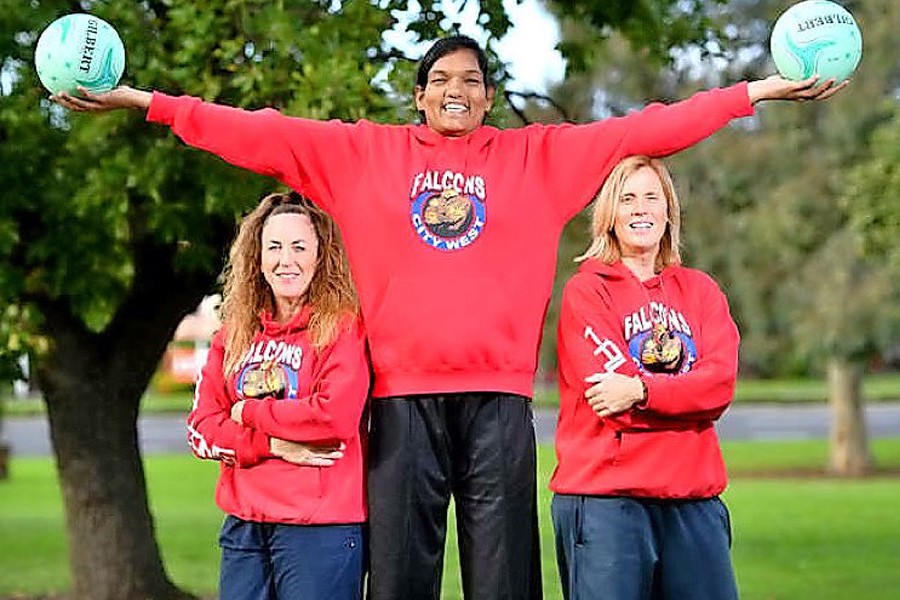
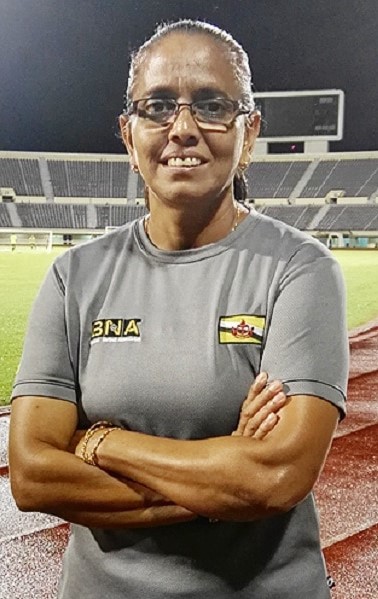
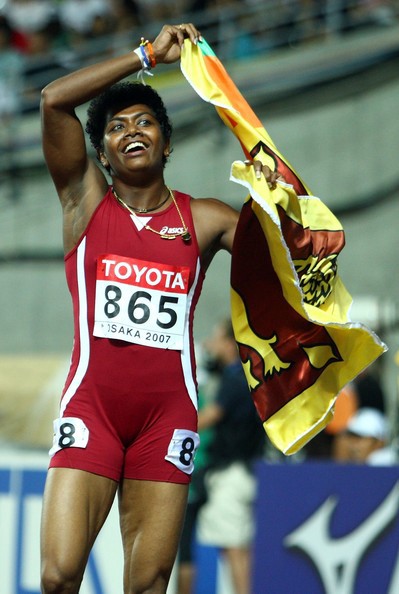
Indeed, the most successful Sri Lankan sportswomen’s life became unsuccessful because of political interference. For instance, Tharjini Sivalingam, ranked world №1 netball shooter, and Thilaka Jinadasa, first female Olympian and national netball coach, could not serve for their nation for many years. Lack of recognition and support from the government demotivates elite athletes to continue their career in sports. Therefore, both of the sportswomen flew to abroad and performed for Australia as a player and Malawi as national coach, respectively. Susanthika Jayasinghe, the first Asian sprint Olympic medalist, at Sydney 2000, was sexually harassed. Susanthika said, “I can’t explain. You wouldn’t understand. They give me, trouble, trouble, trouble. I give them bronze medal. It’ll make them sad… It was trouble with me. Doping and sexual harassment.”
The above-mentioned issues happened because of poor administration in Sri Lanka coupled with religious beliefs of the people. To overcome these fundamental issues, the ministry of sports and national federations ought to implement sport education programs starting from elementary school, give equal opportunity for women, empowerment workshops and recreational sports for mothers and elderly, which are few of the solutions to overcome the problem of insignificant women’s participation in sports in Sri Lanka.
Moreover, according to the International Olympic Committee’s Agenda 2020 plan, women’s participation in any kind of sport events should be treated equally. Therefore, sports participation and recruitment in any administrator sectors should be equally shared by 50 per cent of men and women. Also, recruiting and training more female coaches and administrators will enhance women’s participation in sports.
*** THE END ***
Author: SiGo | Friday, May 18, 2018
 SiGoSport